
Dates vs Raisins: Differences, Nutrition and Bulk Sourcing Guide for Food Businesses
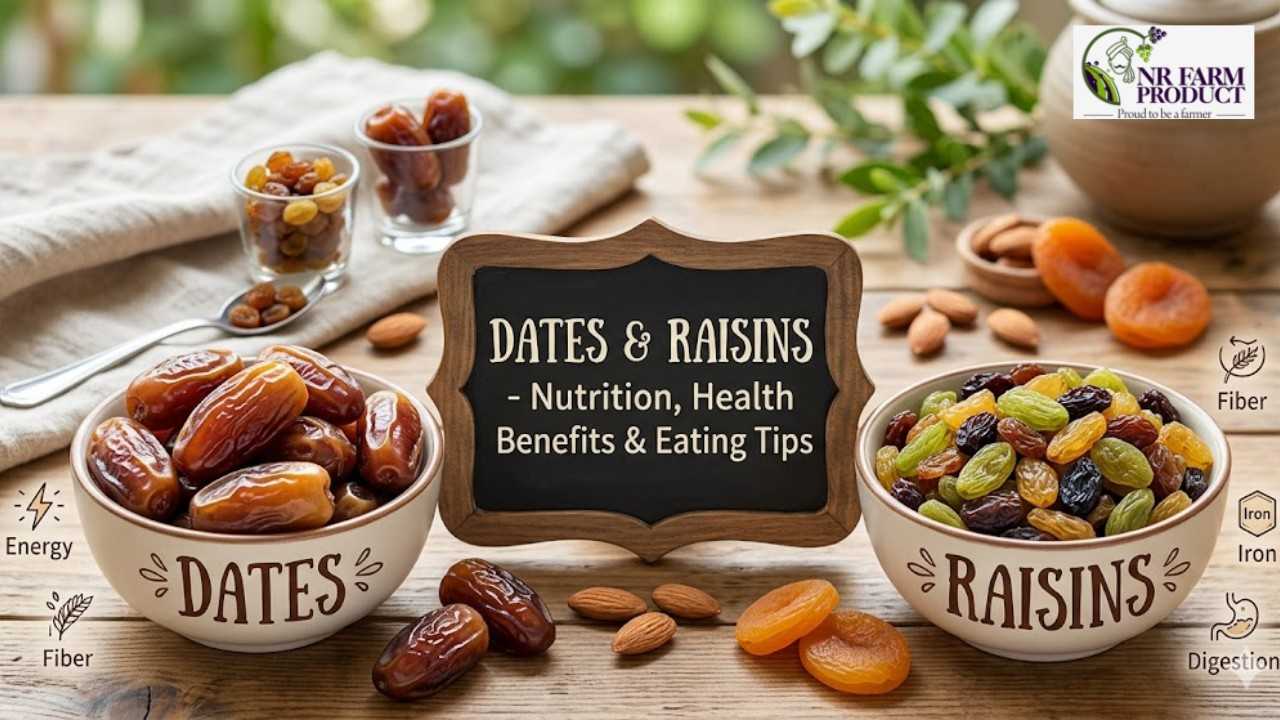
Dates and raisins look alike in a snack bowl, but on a production line they behave very differently. Choosing the wrong one can change your product's taste, texture and cost.
Dates and raisins are both dried fruits, but they are not the same. Dates come from the date palm and are soft, caramel-like and higher in fibre. Raisins are dried grapes and are lighter, tangier and slightly higher in iron and calories. Both are naturally sweet and are widely used in bakery, snacks, cereals and beverages.
This guide compares dates and raisins on nutrition, iron content and industrial use, then explains how buyers can source both in bulk from India.
Dates vs Raisins: Quick Comparison
Dates and raisins both provide natural energy, fiber, minerals, and antioxidants, making them nutritious dried fruits for daily snacking and healthy eating.
|
|
|
|
|
|
|
|
|
|
|
|
|
|
|
|
|
|
|
|
|
|
|
|
|
|
|
|
|
|
|
|
|
|
|
|
Source: USDA Food Data Central. Values vary by variety and drying method.
What Is the Difference Between Dates and Raisins?
The main differences come down to origin and structure.
- Origin: Dates are the fruit of the date palm. Raisins are dried grapes.
- Texture: Dates are dense and sticky, which suits pastes and fillings. Raisins are small and separate easily, which suits mixing and baking.
- Flavour: Dates taste of caramel and honey. Raisins are sweeter-tart with a fruity note.
- Nutrition: Dates give more fibre. Raisins give more iron and protein per 100 g.
Are dates similar to raisins? Only in function. Both are dried, shelf-stable and naturally sweet, so manufacturers often use them as sugar replacers. They are different fruits with different processing and handling needs.
Which Is Better: Dates or Raisins?
Neither is better in every case. It depends on the end use.
- Choose raisins for baked goods, breakfast cereals, granola and chocolate, where small, uniform pieces and a light flavour matter.
- Choose dates for energy bars, date paste, sweets and syrups, where a rich, binding sweetness is needed.
- Use both in trail mixes and healthy snack blends for contrast in texture and taste.
Dates and Raisins for Iron: What the Numbers Show
People searching how to increase iron in the body often land on dried fruit. Raisins contain roughly twice the iron of dates per 100 g, but both are modest sources compared with legumes, meat or fortified foods. For food brands, this means "source of iron" claims need verified lab data and local labelling rules. Dried fruit is also a nutritious supporting ingredient, not a treatment for iron deficiency.
How Food Manufacturers Use Dates and Raisins
|
|
|
|
|
|
|
|
|
|
|
|
|
|
|
|
|
|
If you are building a product range, see our guide on how food manufacturers use dates and raisins in food products.
Sourcing Dates and Raisins in Bulk from India
NR Farm Product is a raisin manufacturer and exporter based in Nashik, Maharashtra, and supplies dried dates to food processors and distributors. Buyers choose a supplier on four points:
- Consistent grading: Uniform colour, size and moisture across every lot.
- Clean product: Sorting removes discoloured, damaged and foreign particles before packing. Read our food safety standards for raisin exporters.
- Flexible packing: Bulk cartons and bags for industry or private label packs for retail [confirm sizes].
- Export support: Documentation, labelling and shipping for markets such as Vietnam, Nigeria, Kenya, Oman, Ethiopia and Kuwait.
Explore our raisins range, our yellow and brown dry dates, or the Indian raisin supplier checklist for bulk buyers.
Frequently Asked Questions
1. Which has more iron, dates or raisins?
Raisins generally have more iron per 100 g, about 1.9 mg, compared with about 0.9 mg in dates.
2. Which has more fibre, dates or raisins?
Dates, at roughly 7 g per 100 g against about 3.7 g in raisins.
3. Can dates replace raisins in recipes?
Often yes for sweetness, but dates are softer and stickier. Chopped dates work in cookies and bars, but raisins are better where small, separate pieces are needed.
4. What is the MOQ for bulk orders?
Minimum order quantity depends on product and packing. Contact us with your required grade and volume for a quote.
5. Do you export raisins and dates outside India?
Yes. NR Farm exports raisins from Nashik to importers and manufacturers worldwide.
Request a Bulk Quote
Looking for a reliable raisin supplier in India or a dry dates supplier in Maharashtra? Share your product, grade, quantity and destination country, and our team will send specifications and pricing.