
Which state is the largest producer of ginger in India?
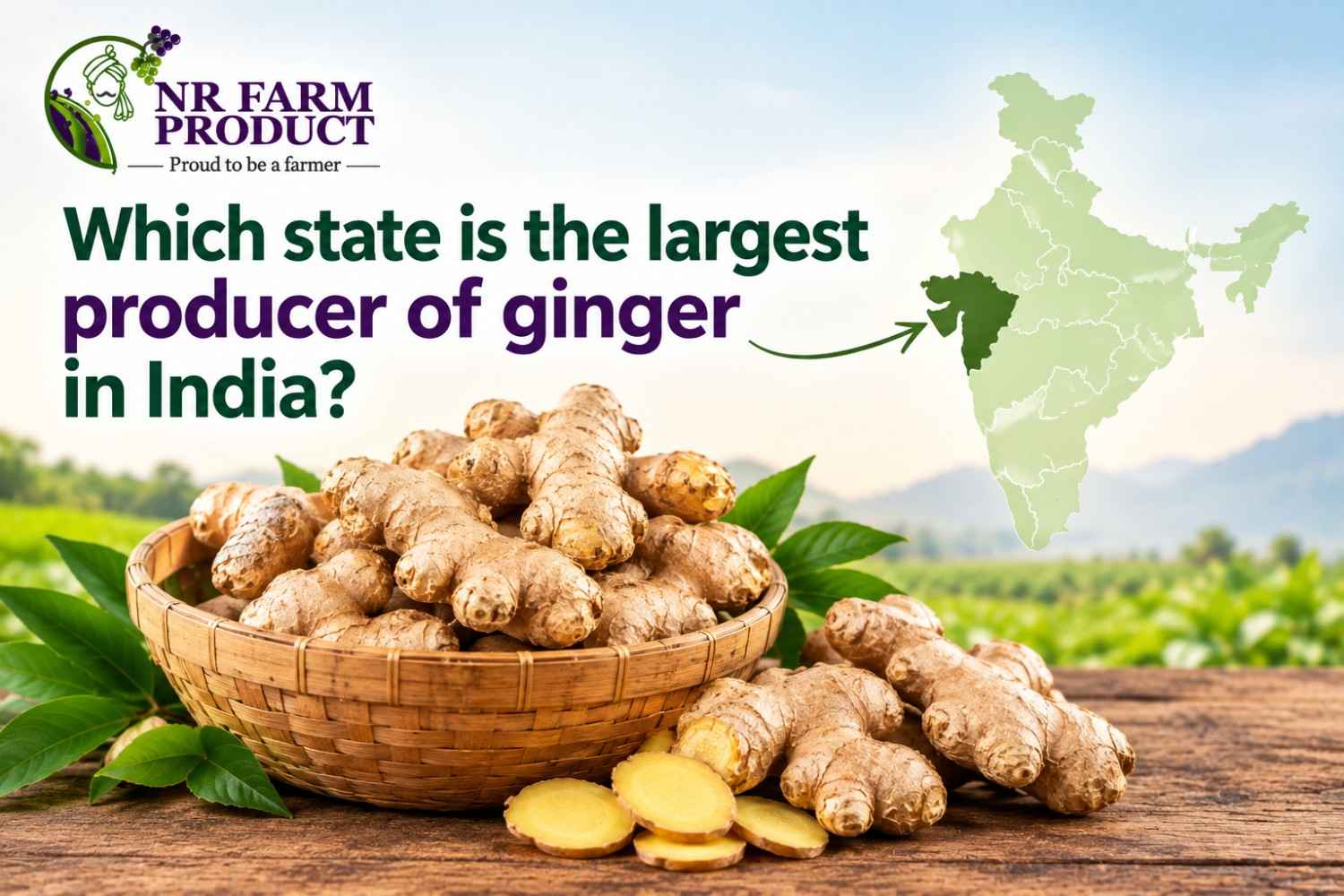
Madhya Pradesh was the largest producer of ginger in India, according to state-wise production data. Ginger is an important raw material for spice manufacturers, food processors, wholesalers and ingredient distributors. It is traded in fresh and dried forms, each serving different commercial applications. Understanding the major ginger-producing states can help buyers identify growing regions and assess potential sourcing options.
For wholesalers, food manufacturers and spice processors, these figures provide an overview of India’s ginger-growing regions. However, state production alone does not confirm the quantity, grade or form available from an individual supplier. Commercial buyers should assess those details separately before placing an order.
Top largest producer of ginger in India
The following figures are from the Spices Board of India’s state-wise production dataset for 2024-25.
Madhya Pradesh was India's largest ginger producer in 2024-25, recording 624,224 metric tonnes, according to the Spices Board of India. Karnataka ranked second with 239,792 metric tonnes, followed by Odisha with 193,374 metric tonnes. Maharashtra produced 136,936 metric tonnes in the same dataset.
|
|
|
|
|
|
|
|
|
|
|
|
|
|
|
|
|
|
|
|
|
|
|
|
Maharashtra’s Ginger Production and Position
Maharashtra produced 136,936 metric tonnes of ginger in 2024–25, ranking sixth in the Spices Board dataset. The state had 9,610 hectares under ginger cultivation in that year.
The same dataset records Maharashtra’s ginger production at:
Historical production:
- 2020–21: 133,886 MT
- 2021–22: 154,159 MT
- 2022–23: 141,765 MT
- 2023–24: 141,727 MT
- 2024–25: 136,936 MT
These figures show that Maharashtra has an established ginger-growing sector, although annual output has varied. They are agricultural production figures and should not be interpreted as available commercial stock.
Why Maharashtra Matters to Ginger Buyers
Maharashtra’s ginger production makes it relevant to businesses sourcing spices within India. Buyers operating in or near the state may consider local suppliers as part of their procurement research, but location alone does not establish price, quality or delivery advantages.
For businesses evaluating ginger suppliers in Maharashtra, practical checks include:
- Whether the supplier offers fresh ginger, dry ginger, slices or powder.
- Whether the product specification matches the intended manufacturing process.
- The available quantity and expected dispatch schedule.
- Packaging options and storage recommendations.
- Product testing, traceability and documentation requirements.
- The delivered price for the agreed specification and destination.
Buyers should request comparable quotations and assess samples where appropriate. This provides a more useful basis for procurement than relying only on a supplier’s location or the production volume of its state.
Fresh Ginger and Dry Ginger: What Is the Difference?
Ginger is traded in fresh and dried forms. Their moisture levels, handling needs, and applications differ, so buyers should specify the form they require.
|
|
|
|
|
|
|
|
|
|
|
|
|
|
|
|
|
|
|
|
The appropriate form depends on the recipe, processing equipment, storage arrangements and required flavour profile.
Commercial Uses of Ginger
Ginger’s aroma and pungent flavour make it useful across several food and ingredient categories. Its application depends on the formulation and the form supplied.
- Spice manufacturing: Used in spice mixes, seasonings and powdered blends.
- Food processing: Included in selected sauces, prepared foods and other manufactured products.
- Beverage production: Used in tea mixes and ginger-flavoured beverages.
- Pharmaceutical and herbal products: Ginger and ginger-derived ingredients are used in some preparations. Product claims and suitability depend on the formulation and applicable requirements.
- Food service: Used for seasoning and preparation in commercial kitchens.
Manufacturers should test the ingredient in their own formulations before approving it for production. Flavour strength, aroma, particle size and processing behaviour may influence the finished product.
What Should Businesses Check Before Buying Dry Ginger in Bulk?
A clear product specification helps buyers assess whether a supplier’s offer meets their needs. Before confirming a purchase, businesses should establish:
Product form and application
Specify whether the requirement is for whole dry ginger, slices or powder. Include the intended use so the supplier can confirm the offered form.
Appearance and cleanliness
Review the product for foreign matter, visible defects and other characteristics covered by the purchasing specification.
Moisture and storage
Request the moisture specification and recommended storage conditions. Keep dry ginger protected from moisture during storage and handling.
Aroma and flavour
Assess whether the aroma and pungency are appropriate for the intended application. Sample approval may be useful for larger or repeat orders.
Quantity, packaging and delivery
Confirm the order volume, packaging format, delivery location and expected schedule. For recurring purchases, discuss how the agreed specification will be applied to future orders.
Documentation
Identify the commercial, testing and food-safety documents required for the transaction and intended market. Requirements may vary by buyer and destination.
Dry Ginger Supply from NR Farm Product
NR Farm Product is based in Nashik, Maharashtra, and offers dry ginger in different forms, including whole ginger, sliced ginger and powder. The company’s dry ginger offering is intended for the Indian market.
Businesses interested in sourcing dry ginger can contact us to discuss the required form, quantity, packaging and delivery location. Buyers should share their specifications and intended application so the product details can be reviewed against their needs.
Conclusion
Businesses researching the largest producer of ginger in India can use state-wise production data to understand the country’s ginger supply landscape. For buyers seeking ginger suppliers in Maharashtra, NR Farm Product offers dry ginger for the Indian market. Contact the team to discuss product forms, quantities and packaging requirements.
Frequently Asked Questions
1. What is dry ginger called?
Dry ginger is commonly called 'sonth' or 'sunth' in India. It is available as whole pieces, slices and powder.
2. What are the health benefits of dry ginger?
Dry ginger provides powerful anti-inflammatory, digestive, and immune-boosting benefits due to its concentrated heating properties.
3. What is the price of 1 kg of ginger in India?
Dry ginger powder typically costs between ₹150 and ₹870 per kilogram, depending on the quality, brand, and whether you buy retail or in bulk.