
Which Raisin Is Good for Health? A Guide to Black, Golden, Green & Brown Raisins
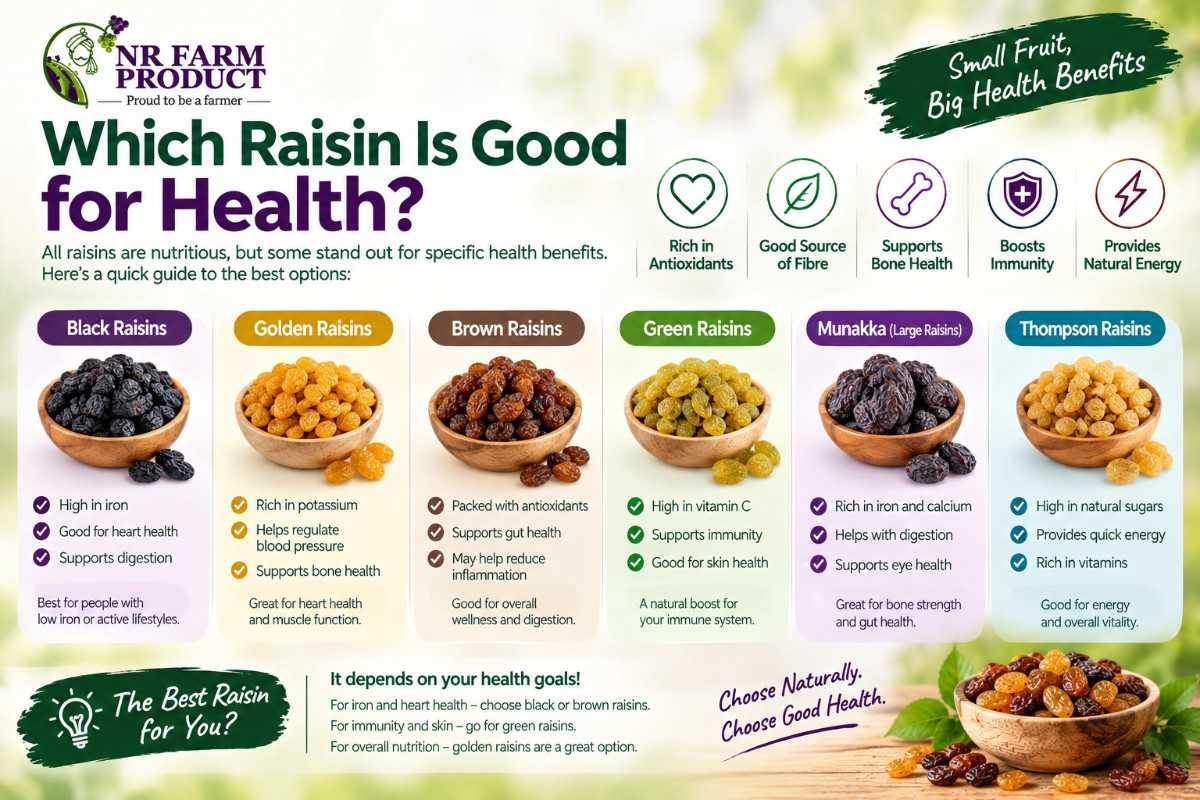
Not all raisins look the same, but which raisin is good for health is a common question. Black, golden, green and brown raisins differ in appearance, taste, texture and processing methods. The right variety depends on your food preferences, dietary needs, and how you plan to use them.
Raisins are a popular addition to breakfast, sweets and everyday snacks. In markets such as the UAE and South Africa, they also appear in bakery products, cereals, confectionery, and packaged foods. Understanding the differences can help consumers and food businesses make better choices.
This guide compares the main raisin varieties, their nutritional value, common uses and what buyers should check before purchasing.
Which Raisin Is Good for Health?
Black, golden, green and brown raisins all provide carbohydrates, dietary fibre and minerals. Their exact nutritional values can vary according to the grape variety, growing conditions and processing method.
The best choice depends on what matters most to you:
- Black raisins: A popular choice for everyday snacking and traditional recipes.
- Golden raisins: Useful when a lighter colour and a sweet, fruity taste are preferred.
- Green raisins: Often selected for their elongated shape and use in premium snack mixes.
- Brown raisins: A versatile option for baking, cooking and daily consumption.
For most people, portion size, overall dietary balance and product quality matter more than colour alone.
Black, Golden, Green and Brown Raisins: Key Differences
Black, golden, green and brown raisins differ in colour, taste, texture and processing. Their core nutrients are broadly similar, although the amounts of plant compounds can vary by grape variety and drying method.
|
|
|
|
|
|
|
|
|
|
|
|
|
|
|
|
|
|
|
|
|
|
|
|
|
Health Benefits of Raisins for Everyday Nutrition
The health benefits of raisins come from their naturally occurring nutrients. They provide carbohydrates for energy, dietary fibre and minerals such as potassium. Raisins also contain plant compounds, including phenolic compounds.
Here are some practical ways they can fit into a balanced diet.
1. Provide Energy
Raisins contain natural sugars, including glucose and fructose, which provide energy. A small serving can be added to breakfast or eaten as part of a snack.
Try combining raisins with oats, nuts or seeds for a mix of carbohydrates, fibre, protein and fats.
2. Contribute Dietary Fibre
Dietary fibre supports normal digestive function. Including raisins alongside vegetables, whole grains, pulses and other fruit can help increase overall fibre intake.
The amount of fibre you receive depends on the serving size and the product.
3. Supply Important Minerals
Raisins provide minerals such as potassium and small amounts of iron and calcium. These nutrients contribute to normal body functions, including muscle function and the formation of red blood cells.
However, raisins should not be treated as the sole source of any essential nutrient.
4. Add Plant Antioxidants to the Diet
Raisins contain naturally occurring antioxidant compounds. The type and amount can vary with the grape variety and processing method.
Eating a variety of fruit, vegetables, nuts and whole grains is a more useful approach than relying on one food for antioxidant intake.
Nutrition Value in Raisins
Raisin nutrition helps consumers compare products and manage portion sizes. Raisins are dried fruit, so their natural sugars and calories are more concentrated than in fresh grapes.
|
|
|
|
|
|
|
|
|
|
|
|
|
|
|
|
|
|
|
|
|
|
|
|
For everyday consumption, choose the variety you enjoy, check the ingredient label and keep portions sensible. For commercial buyers, request the supplier’s product specifications and available nutrition information before placing a bulk order.
Which Raisin Is Best for Different Needs?
When choosing raisins for health, consider your dietary preferences and how you will consume them.
- For everyday snacking: Choose a clean, good-quality variety you enjoy eating in a sensible portion.
- For breakfast: Add black, brown or golden raisins to oats, porridge or plain yoghurt.
- For baking: Golden and brown raisins can add sweetness, colour and texture to cakes, breads and muffins.
- For trail mixes: Green or black raisins can be combined with nuts, seeds and other dried fruits.
- For traditional recipes: Black and brown raisins are commonly used in Indian sweets, rice dishes and desserts.
No variety has been proven to deliver better overall health outcomes simply because of its colour.
How to Choose Quality Raisins
Whether you are buying raisins for home use or sourcing them for a food business, assess the product beyond its colour and price.
Check these points before purchasing:
- Appearance: Look for a reasonably uniform appearance appropriate to the variety, without visible mould or insects.
- Texture: The raisins should match the expected softness and dryness for their intended use.
- Cleanliness: Check for unwanted stems, stones and other foreign material.
- Ingredients: Review the label for added ingredients or sulphites where relevant.
- Packaging: Choose intact packaging that protects the product from moisture and contamination.
- Storage information: Follow the supplier's instructions and check the stated shelf life.
For wholesalers, importers and food manufacturers in India, the UAE, South Africa and other Asian markets, additional checks may include product specifications, batch documentation, packaging sizes, minimum order quantities and delivery schedules.
Conclusion:
Choosing the right raisins starts with understanding the differences between varieties, their intended use and the product's quality. If you're wondering which raisin is good for health, black, golden, green and brown raisins can all contribute useful nutrients to a balanced diet. Their colour alone does not determine which is best for health. For consumers, sensible portions, a varied diet and careful label checks are practical ways to make informed choices. For businesses, the right variety also depends on the final application, whether it is bakery production, snack manufacturing, confectionery, wholesale distribution or retail packing.
NR Farm Product supplies raisins in different varieties and grades for commercial buyers. Food manufacturers, wholesalers, distributors and importers can discuss product specifications, available grades, packaging options and bulk quantities with the team. Buyers serving India, the UAE, South Africa and other markets should confirm the required specifications and applicable import or labelling requirements before placing an order.
Looking for a raisin supplier for your business? Contact NR Farm Product to discuss your required variety, order quantity and packaging needs, and request a bulk quotation.
Frequently Asked Questions
1. Are black raisins better than golden raisins?
Both provide carbohydrates and dietary fibre. Golden raisins may be processed with sulphur dioxide to retain their colour, so check the product label if you need to avoid sulphites.
2. How many raisins should I eat daily?
For most healthy adults, the recommended daily intake of raisins is 30 to 40 grams, which is about 25 to 40 raisins or one small palm-sized handful.
3. Are raisins suitable for food manufacturing?
Yes. Raisins are commonly used in bakery products, cereals, snack mixes, confectionery and desserts. Manufacturers should select a variety and grade based on colour, texture, size, cleanliness and processing requirements.
4. What is the healthiest way to eat raisins?
Eat raisins in sensible portions as part of a balanced diet. Add them to oats, plain yoghurt, nuts or breakfast cereals, and choose products with no unnecessary added ingredients.
5. Which raisin is good for weight gain?
Black, golden, green and brown raisins can all support weight gain when they contribute to a calorie surplus. Pairing raisins with nuts, seeds, or yoghurt can provide additional energy and nutrients.